
Chemotherapy Game-Changer for Stage 4 Cancer

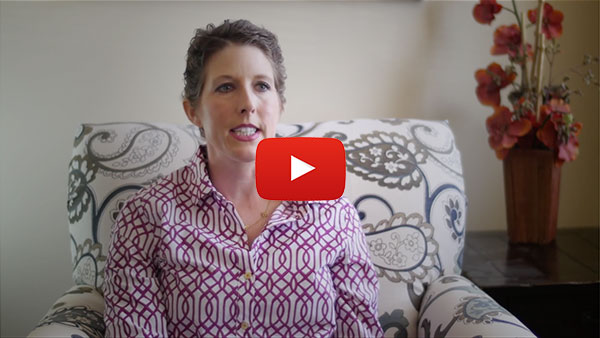
For years, patients and doctors have been asking, "Why does chemotherapy only work for some patients and not others?" For example, a patient may try a different chemo regimen over and over, may "respond" to chemotherapy and have 30% tumor shrinkage, only to find it returns even more aggressively later. Our new form of treatment aims to eliminate this problem altogether, meaning many cancer patients will become cancer survivors. GTFC™ (Genetically Targeted Fractionated Chemotherapy) may help patients outperform conventional chemotherapy by identifying each tumor's specific genetic profile. Watch the video below to learn more.
Every cancer has a trigger: infections, chemical toxins or heavy metal toxins are a few of the main ones. Early changes are seen through metabolic shifts that ultimately cause mutation, continually pushing genetic changes, growth and spread throughout the life of the cancer. Let's take a look at how changes in oxygen metabolism are some of the first metabolic signs of difficult cancers.
A Better Model For Cancer Treatment
The current model and approach being used by numerous cancer Center and hospitals is the "germ theory." This model aims to focus on destroying cancer cells using a "one size fits all" protocol – a methodology which establishes treatment plans based solely upon cancer type and stage. We have something better.
Doctors are aware that each person's cancer is unique and cannot be classified or grouped – even for patients with the same type and stage. New scientific studies reveal that unlocking the genetic codes for each patient's cancer means more successful treatments and outcomes. GTFC™ treatment goes several steps further than the conventional chemotherapy approach. It takes advantage of that understanding and provides the actual blueprint to personalize each patient's treatment plan.
Our doctors predict this new method and approach will become the world's standard within five to seven years. So why are most cancer Center not using this approach to treatment? It is very difficult for large structured institutions and pharmaceutical companies to move quickly with the world's modern technologies because they have so much invested in the old system. That being said, GTFC™ treatments have already begun to save lives, while even helping some patients avoid hospice.

According to patients, the best part of the treatment is that this therapy avoids most of all the side effects found in conventional chemotherapy, so patients can feel better throughout the process. Our doctors have noted that when patients were tested, over 75% of them were administered the wrong treatments… No wonder so many patients are struggling with cancer!
Without preliminary testing and targeting, large doses of chemotherapy radiation can wreak a similar havoc within a cancer patient's body. This collateral damage to healthy cells is devastating, often worse than the cancer itself, particularly in regard to the destruction and disabling of the immune system, the body's first and last defense against cancer.
Aggressive chemotherapy treatments involve a combination of four different drugs called MOPP protocol, which worked quite successfully with Hodgkin's disease during the preliminary years of cancer research. However, as MD and Professor Dr. Guy B. Faguet stated, "This early success was seldom replicated despite myriad, subsequent clinical trials launched to test a variety of intermittent combination chemotherapy regimens in many types of cancer over the ensuing four decades." Regarding the traditional use of chemotherapy, Dr. Faguet also stated, "Though most patients achieve some degree of tumor response, few survive longer as a result." [1]
Genetics - The Future of Cancer Treatment has Arrived
Currently, the odds that a patient will respond to any given chemotherapy treatment are generally no better than the odds of flipping a coin. Chemotherapy drugs have historically been tested, dosed, and incorporated into treatment protocols based on trial-and-error approaches, resulting in a single or a range of recommended dosages based on averages from clinical studies in large populations.
The cancer patients who continue to receive chemotherapy drugs they simply don't respond to are unnecessarily suffering through devastating side effects, all while simultaneously wasting valuable time and energy in their fight to survive against cancer.
The good news is that recent advances in pharmacogenetic research may eliminate the randomness in chemotherapy treatment. Through genetic testing, specific gene expression patterns can be identified that can better predict a patient's drug response. These genetic indicators act to help physicians find the optimal drug or drug combination that will combat the precise tumor in a given individual with the benefit of optimal results, along with greatly reduced side effects.
Research has shown that individual genetic differences in drug-metabolizing enzymes, transporters, receptors and other factors have been linked to significant differences in drug response, thereby affecting clinical outcomes. For example, a drug in identical dosages may be toxic to a person with a slower drug metabolism, or simply ineffective in a person with a much higher drug metabolism. A positive response might only be found in those particular individuals whose metabolism is close to the general population average in which the standard dosage protocol is based.

In addition, genomic information can also be extracted from the cancer itself to determine which treatments will be most effective. Factors such as mutations of various growth regulatory genes, as well as alterations in the transcription of a large number of genes may lead to a tumor's possible resistance to a treatment. Envita has been refining these techniques with great success for numerous years and we strongly believe it will soon become the standard of care in the future.
Targeting Chemotherapy via Insulin Receptors
Due to alterations in the mitochondria shift toward glycolysis, cancer cells develop the ability to produce insulin with an Insulin-like Growth Factor (IGF) themselves. This way, a cancer cell can increase its glucose uptake and metabolism.
The ability to produce insulin makes cancer cells different from normal cells, but there is a second abnormality to note. Every cell in the body has insulin receptors on the outer surface of its membrane (about 100-100,000 receptors per healthy cell). However, cancer cells have a much higher concentration of insulin receptors than the healthy cell. Various studies have shown that the amount of insulin receptors (IR) is dramatically increased in most human breast cancers as well as both ligand-dependent malignant transformations. The high metabolic activity of the cancer actually provides delivery methods enabling the targeting of cancer cells over the healthy ones.
Fractionated Chemotherapy Allows for a Stronger Immune System
Fractionated chemotherapy is a technique by which the total dose of chemotherapy is broken into smaller amounts and then administered over a longer period of time, rather than in a single, much larger dose. Administration in this manner makes the drugs more tolerable to patients by greatly reducing the devastating side effects often experienced as a result of the large doses.
Additionally, cancer cells experience a longer, more sustained exposure to the toxin. For this reason, targeted chemotherapy is another method of treatment that utilizes specific agents to help the delivery of chemotherapy to precise tissues and regions of the body. When lower doses are given, your immune system is better able to respond instead of being wiped-out altogether.
How to Improve Cancer Results with GTF Chemotherapy
GTFC™ treatment allows the patient to experience all the possible benefits of chemotherapy while tremendously reducing the imminent damage to the immune system that is commonly the result of a more conventional administration.
Our Comprehensive Smart Oncology® program can utilize targeted chemotherapy to minimize damage to the healthy cells, improve immune system function, as well as greatly improve the quality of life for our patients. Visit the PPMR process to learn more about other therapies that may work for you or contact us if you have any questions.